MyPortugalHoliday.com
The best independent guide to Madeira
MyPortugalHoliday.com
The best independent guide to Madeira
Madeira in April: Is it a good time to visit?
April is arguably the finest month to visit Madeira. The gardens which the island is famous for are bursting into bloom, the levada trails are at their greenest, and the weather has settled into that pleasant middle ground between the wetter winter months and the heat of summer. For anyone who wants to experience Madeira at its most vibrant, this is a month that delivers.
The weather brings mild temperatures and a mix of sunshine and occasional showers. Daytime highs climb to around 20°C, falling to 14°C at night, with the south coast enjoying the driest conditions while the mountainous interior sees more cloud and moisture. April's showers tend to be brief and passing rather than the persistent rain of earlier months, and you can expect plenty of bright, clear days for exploring.
This is hiking season. The levadas, Madeira's famous irrigation channels that thread through the island's forests and mountains, are in perfect condition. The laurisilva forest drips with fresh greenery, waterfalls run at full flow, and the trails are far quieter than they will be come summer. For anyone drawn to Madeira for its walking, April offers arguably the best conditions of the year.
The trade-off is straightforward: this is not beach weather. The Atlantic remains stubbornly cool at around 18°C, and while the natural pools around Porto Moniz and the hotel lido complexes in Funchal will see some brave swimmers, most visitors will find the water bracing at best. Those seeking guaranteed sun-lounger days should wait until June or later.
Related articles: Introduction to Madeira – Madeira top 10
Highlights of Madeira in April
• Levada Walks Through Ancient Forest: Madeira's network of irrigation channels offers some of Europe's most distinctive hiking. The Levada das 25 Fontes leads to a lagoon fed by dozens of tiny waterfalls, while the Levada do Caldeirão Verde takes you through tunnels carved into the mountainside to reach a thundering cascade. In April, the forest is impossibly green, the trails are uncrowded, and the temperatures are ideal for walking.
• Gardens in Full Bloom: April transforms Madeira's famous gardens into explosions of colour. The Monte Palace Tropical Garden, reached by cable car from Funchal, spreads across 70,000 square metres of terraced hillside planted with species from around the world. The Botanical Garden displays its collection of exotic plants against sweeping views over the capital. Both are at their most photogenic in spring.
• Whale and Dolphin Watching: April marks the beginning of the peak season for spotting marine life around Madeira. Resident populations of bottlenose dolphins and short-finned pilot whales can be seen year-round, but spring brings migrating species including sperm whales and occasional fin whales. Boat tours depart daily from Funchal's marina, offering one of the most reliable whale-watching experiences in Europe.
• Funchal's Old Town: The island's capital rewards slow exploration. Wander the painted doors of Rua de Santa Maria, browse the exotic fruits and flowers at the Mercado dos Lavradores, and sample Madeira wine at the historic Blandy's Wine Lodge. In April, the city is lively without the crush of summer visitors, and the pavement cafes along the waterfront are a pleasure in the mild weather.
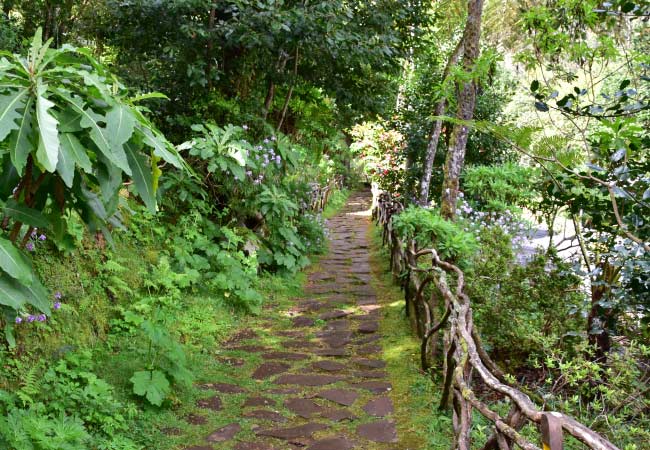
The peaceful Levada hiking trails through the dense forests
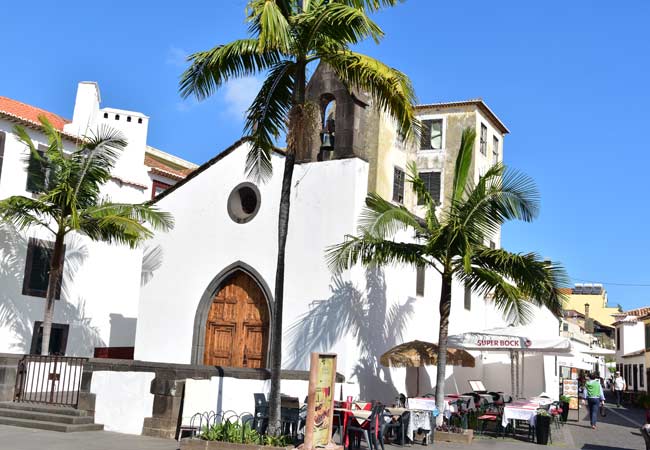
The Old town of Funchal
Madeira Weather in April
April in Madeira delivers the island at its most balanced. The persistent rains of winter have eased, summer heat is still weeks away, and conditions settle into a comfortable middle ground that suits outdoor exploration. Expect daytime temperatures around 20°C (68°F), dropping to 14°C (57°F) at night, with the south coast around Funchal typically enjoying the warmest and driest conditions.
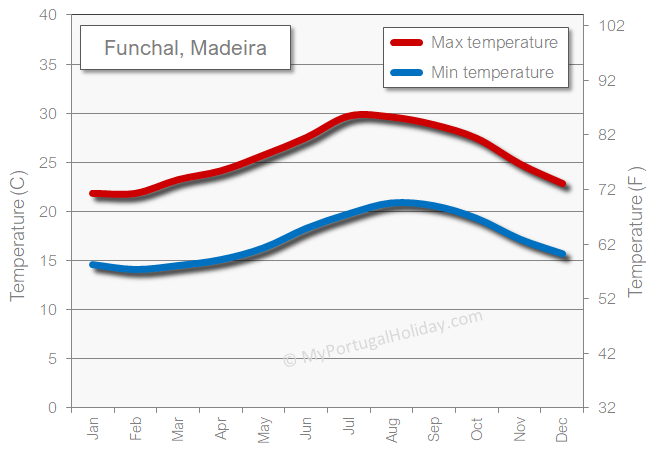
Rainfall averages around 40 to 50mm across eight to ten days of the month. These figures can be misleading, however, as April showers in Madeira tend to arrive as brief, passing bursts rather than all-day downpours. A morning shower often clears to reveal blue skies by lunchtime, and the island can experience several distinct weather systems in a single day. I've had mornings where I've set out in drizzle only to find myself in brilliant sunshine an hour later. The key is flexibility: check conditions each morning and adjust your plans accordingly.
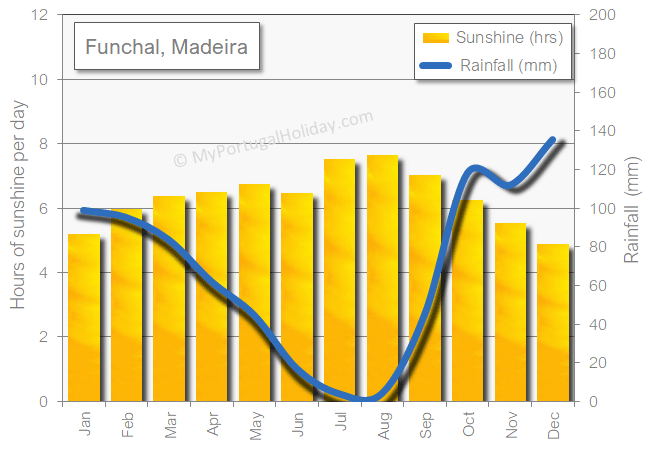
Madeira's mountainous terrain creates distinct microclimates across the island. The north coast and higher elevations see considerably more cloud and moisture than the sheltered south, where Funchal basks in the driest conditions. If you wake to grey skies and drizzle in the mountains, it is often worth heading down to the coast or across to the south, where conditions may be completely different. I've learned to keep an eye on the webcams dotted around the island, as they give a useful snapshot of what's happening in different areas before committing to a plan for the day.
The Atlantic Ocean remains cool in April, with sea temperatures hovering around 18°C (64°F). This is refreshing rather than warm, and while the hardy will swim, most visitors find it too bracing for extended time in the water. The natural seawater pools at Porto Moniz and the lido complexes in Funchal offer the best options for those wanting a dip, but serious beach holidays should wait until June when the water warms to more comfortable levels.
Sunshine hours average around six to seven per day, and the spring light has real strength. Even on days with passing cloud, the UV index can be high, so sun protection remains essential. Pack layers, a light waterproof jacket, and comfortable walking shoes with good grip. Madeira's cobbled streets and mountain trails can become slippery after rain, and sturdy footwear makes a noticeable difference when navigating the island's steeper paths.
7-Day Madeira Itinerary
Day 1: Funchal
Your first day is about exploring the island's capital, which feels particularly lively in April when spring flowers are at their peak.
Morning: Begin your exploration in the Zona Velha, Funchal's atmospheric old town district. Head to Rua de Santa Maria, the neighbourhood's main artery, where dozens of local and international artists have transformed ordinary doorways into an open-air gallery of painted murals.
From here, it is a short walk to the striking Igreja de São João Evangelista, commonly known as the College Church, which sits within the old Jesuit college complex. The exterior is modest, but step inside and you will find one of the finest baroque interiors on the island, with gilded woodwork and painted ceilings.
Nearby, the Sé Cathedral is worth a visit for its carved wooden ceiling of Madeiran cedar and its blend of Gothic and Moorish architectural influences. If you have time, walk up to the Fortaleza de São João Baptista, a 17th-century fortress that offers good views across the harbour and the lower town. The seafront promenade is also pleasant for a stroll, lined with palm trees and looking out towards the marina where fishing boats and yachts sit side by side.
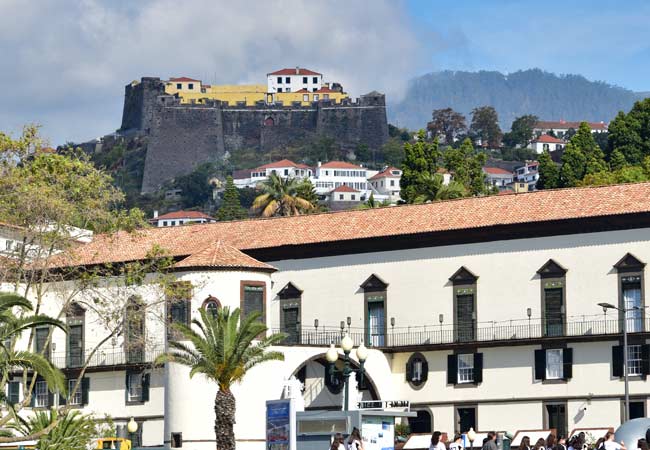
Afternoon: Make your way to the seafront and take the cable car up to Monte. The 15-minute ride climbs steeply above the terracotta rooftops and offers panoramic views across Funchal's natural amphitheatre of hills.
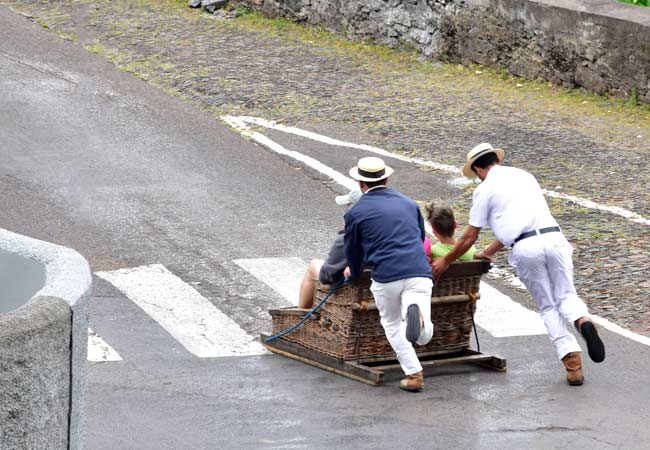
At the top, spend a few hours exploring the Monte Palace Tropical Garden. In April, the azaleas and camellias are flowering throughout the terraced grounds, and the koi ponds are particularly lovely in the soft spring light. For the descent, you have the option of taking the famous Monte Sledges: wicker toboggans steered by two drivers in traditional white clothing who guide you down the steep public roads.
At around €27.50 per person it is not cheap, and it is undeniably touristy, but sliding downhill in a wicker basket is one of those peculiarly Madeiran experiences that is difficult to replicate anywhere else.
Day 2: The Dramatic West Coast
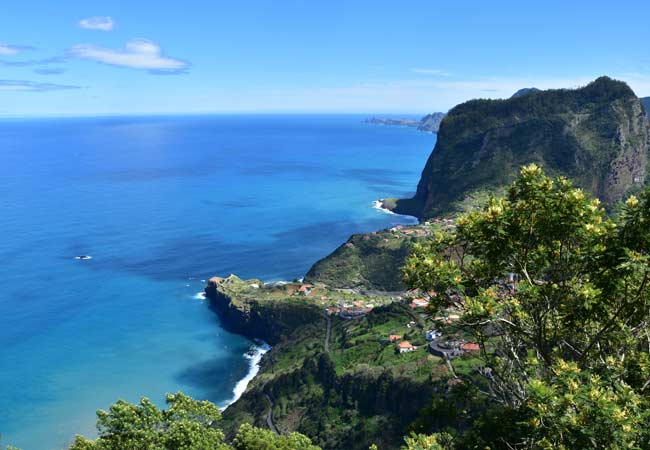
Today takes you away from the capital and into the wilder, more rugged landscape of the western coastline, where volcanic cliffs drop sharply into the Atlantic.
Morning: Drive west to Cabo Girão. This is one of the highest sea cliffs in Europe, and a glass-floored skywalk now extends out over the edge, giving you an unobstructed view 580 metres straight down to the waves below.
Afterwards, stop in the nearby fishing village of Câmara de Lobos. This was reportedly Winston Churchill's favourite spot on the island for painting, and the harbour remains a working one, filled with brightly coloured traditional fishing boats known as Xavelhas. It is a good place to pause for a coffee and watch the fishermen mending nets.
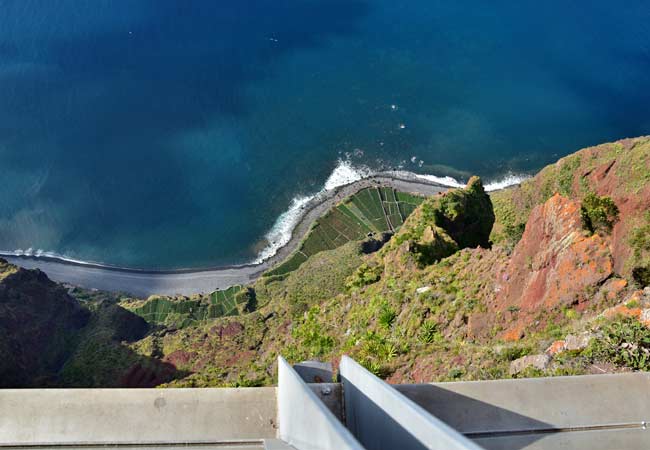
The view straight down from the Skywalk
Afternoon: Continue along the winding coastal road to Porto Moniz, a small town known for its natural swimming pools formed from black volcanic rock. Seawater fills the pools with each incoming wave, and in April, when the Atlantic swells are often at their most powerful, watching the spray crash over the basalt walls into the calm water on the other side is quite something.
The water temperature hovers around 18°C at this time of year, so expect a bracing swim rather than a warm one. On the return journey, make a stop at Seixal to see the Véu da Noiva, or Bridal Veil waterfall, which cascades directly from the clifftop into the ocean. You can also walk along the black sand beach here, which sits beneath towering green cliffs and feels wonderfully remote.
Day 3: The Central Peaks
This is the most weather-dependent day of your trip, and it requires a little planning. Before setting off, check the mountain webcams to see whether the peaks are clear or shrouded in cloud. Getting the timing right makes all the difference.
Morning: If conditions look promising, aim to reach Pico do Arieiro, the island's third highest peak, for sunrise. On clear April mornings, you may find yourself standing above a thick blanket of cloud, with the jagged volcanic summits breaking through like a chain of islands.
The drive from Funchal takes around 40 minutes, so you will need an early start. Be prepared for a significant temperature drop: whilst Funchal might be a pleasant 18°C, the summit can hover around 5°C to 10°C in the early morning, with a sharp wind.
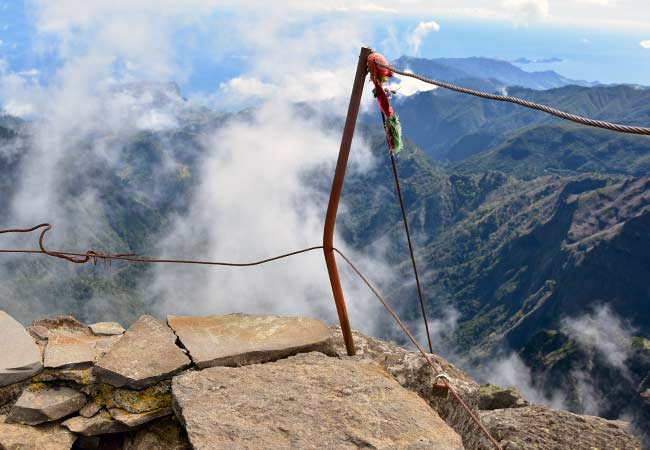
Afternoon: For experienced and reasonably fit hikers, the trail from Pico do Arieiro to Pico Ruivo (PR1) is the most celebrated walk on the island. It covers roughly 12 kilometres return and includes some steep, exposed sections with carved stone steps that climb sharply between peaks. The views are exceptional, but this is a demanding route and should not be underestimated.
If you would prefer something gentler, drive instead to Ribeiro Frio, a small settlement in the forest, and take the short walk to the Balcões viewpoint. This flat, easy path takes around 30 minutes return and ends at a wooden balcony overlooking a deep valley, with Pico Ruivo and the central peaks rising in the distance. It offers much of the same mountain scenery without any strenuous climbing.
Day 4: The Forests of Caldeirão Verde
This day is devoted to what many consider the finest levada walk on the island. A levada is an irrigation channel, and Madeira has hundreds of kilometres of them, most with narrow footpaths running alongside. The Caldeirão Verde route is particularly impressive in April, when the waterfalls are running at full force after the winter rains.
Morning: Drive to Queimadas Forest Park, where the walk begins. The trailhead is marked by a traditional thatched-roof cottage surrounded by ancient trees, and the setting immediately feels a world away from the coast. From here, follow the Levada do Caldeirão Verde (PR9), a mostly flat path that runs for approximately 6.5 kilometres each way, making it a 13-kilometre round trip in total. The route takes you deep into the Laurissilva forest, a UNESCO-listed subtropical rainforest that has survived on Madeira for millions of years. In April, the vegetation is extraordinarily lush: giant ferns unfurl along the path, moss blankets every rock and tree trunk, and fresh spring water trickles down the cliff faces.
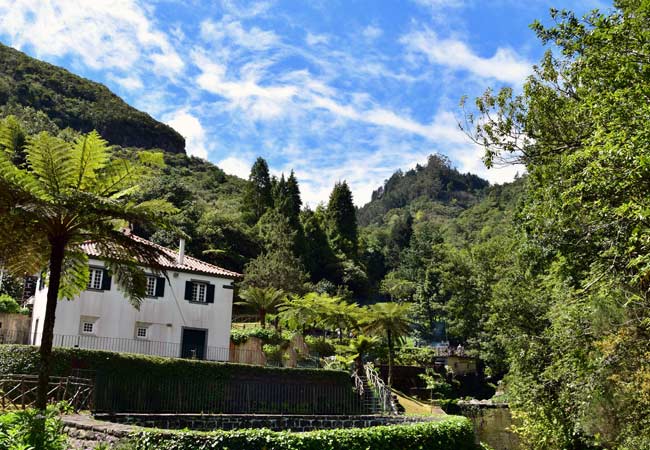
Afternoon: The walk ends at the Caldeirão Verde waterfall itself, where water drops around 100 metres into a deep, cold, green-tinged pool surrounded by sheer rock walls. It is a spectacular place to stop, rest and have a picnic before retracing your steps. For those with energy to spare, the path continues onward to Caldeirão do Inferno, sometimes translated as Hell's Cauldron, another waterfall set in an even more enclosed rocky amphitheatre.
Day 5: The Ponta de São Lourenço
Today offers a complete change of scenery. While most of Madeira is lush and green, the eastern peninsula is a dry, volcanic landscape of oranges, reds, and ochres.
Morning: Head to the easternmost tip of the island to walk the Vereda da Ponta de São Lourenço (PR8). This 7-kilometre trail follows a narrow, exposed peninsula that juts out into the Atlantic, with the sea visible on both sides for much of the route. There are no trees here, and the terrain feels almost lunar in places, a stark contrast to the lush forests elsewhere on the island. In April, the path is often dotted with low-growing wildflowers that only appear in spring, adding splashes of yellow and purple to the ochre rock
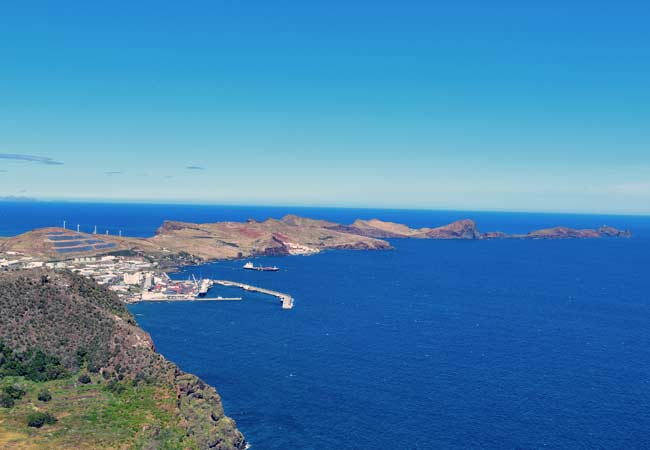
Afternoon: After completing the walk, drive a short distance to Prainha, one of the only natural sand beaches on the island. The sand here is black, formed from volcanic rock, and the beach sits in a sheltered cove backed by ochre-coloured cliffs.
Day 6: Santana and the Northeast
This day takes you to the quieter northern coast, where the pace of life slows and the focus shifts to Madeira's rural traditions and agricultural heritage.
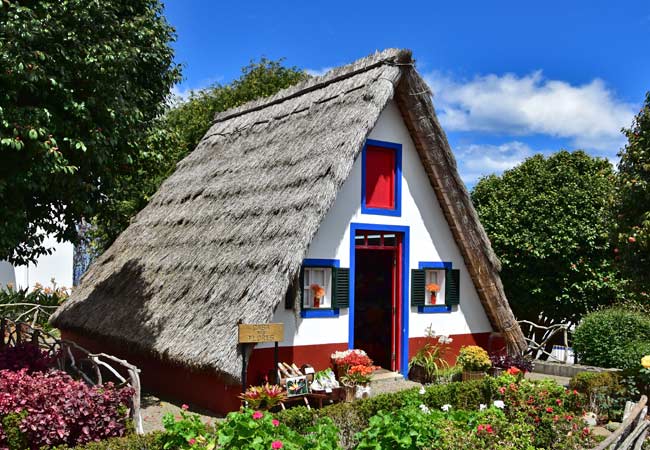
Morning: Drive to Santana, a small town known for its Casas de Santana, the distinctive triangular A-frame cottages with thatched roofs that have become one of the island's most recognisable symbols. These brightly painted houses, traditionally built to withstand the wet northern climate, date back centuries, though many of those you see today have been restored and now serve as small shops or museums. Whilst they are undeniably touristy, they remain an important part of Madeiran identity and are worth a visit.
Afternoon: From Santana, make your way to the Rocha do Navio cable car, one of the island's lesser-known teleféricos. Unlike the busy cable car in Funchal, this one is used primarily by local farmers and sees relatively few visitors. It descends almost vertically down a sheer cliff face to a remote coastal terrace known as the Fajã, a flat area of fertile land created by ancient rockfalls.
Afterwards, drive to the nearby village of Porto da Cruz and visit the Engenhos do Norte, a working distillery that still produces Madeiran rum using traditional 19th-century steam-powered machinery.
Day 7: Whale Watching and Funchal’s Finest Gardens
Your final day brings together two of Madeira's great attractions: the marine life of the surrounding Atlantic waters and the island's exceptional botanical heritage.
Morning: Head to Funchal marina and join a whale and dolphin watching tour. April is an excellent month for this activity, as it marks the beginning of the migration season when larger whale species pass through Madeiran waters. Fin whales and Sei whales are regularly spotted at this time of year, and you also have a very good chance of encountering resident pods of Bottlenose dolphins and Short-finned pilot whales, which live around the island year-round
Afternoon: For your final afternoon on the island, make your way up to the Palheiro Gardens, sometimes referred to as the Blandy Gardens after the family who have owned the estate since the 1880s. Whilst Funchal's Botanical Garden tends to attract more visitors, Palheiro has a quieter, more refined atmosphere and feels more like a private country estate than a public attraction. The gardens are particularly renowned for their camellia collection, one of the finest in Europe, and April is the peak flowering month
Our most popular guides for Madeira


Expert Insight: These guides are curated by Philip Giddings, a travel writer with over 25 years of local experience in Portugal. Since 2008, Phil has focused on providing verified, on-the-ground advice for Madeira, supported by deep cultural ties through his Portuguese family. Read the full story here.